Night Flight Across the Map

Flydubai Pilot Hijack Attempt on Dubai–Tel Aviv Flight Foiled, UAE–Israel Flights Halted – Aviation Security Alert

ALERT LEVEL: HIGH  

An airline’s own first officer tried to crash a passenger jet bound for Israel. Israel is moving to suspend UAE–Israel flights, and flydubai has halted all Israel flights. The main UAE–Israel air link is now shut while an insider-threat gap is probed. 

1. What happened 

On flydubai flight FZ1073 from Dubai to Tel Aviv, the Omani first officer stabbed the Indian captain and tried to crash the Boeing 737-8 MAX. Passengers subdued and tied him up, and a positioning crew landed the jet at Tabuk, Saudi Arabia. Israeli security agencies currently see a lone-wolf act.  

Item Detail 
Flight flydubai FZ1073, Dubai to Tel Aviv, Boeing 737-8 MAX 
People on board 174 passengers (166 Israelis per Israeli media; 4 US-Israeli dual nationals per US officials) 
Attacker First officer, Omani national; stabbed the captain with a weapon carried into the cockpit 
Captain Indian national (named as Smit Machchhar in other reports); critical, then reported stable in Saudi Arabia; opened the cockpit to passengers despite wounds 
Who stopped it Up to 4 passengers restrained the attacker; a passenger medic treated the captain; extra crew on board landed the aircraft 
Flight path Dropped about 4,000 m (about 13,000 ft) per an Israeli official; other outlets cite 17,000 ft; squawked 7700 (emergency), then 7500 (hijack), then back 
Diversion Prince Sultan bin Abdulaziz Airport, Tabuk, Saudi Arabia; about 6 hours on the ground 
Israeli response Air force scrambled jets; Israeli airspace briefly closed; IDF chief Zamir cancelled a US trip 
Repatriation Saudi Arabia refused an Israeli air force or El Al aircraft (even unmarked); passengers flown home on a second flydubai jet with a Mossad-vetted crew 
Flights halted flydubai halted all flights to Israel; Israel moving to a temporary UAE–Israel flight ban, pushed by Shin Bet chief David Zini and endorsed by Transport Minister Miri Regev. Emirates suspended its flydubai codeshare to Tel Aviv with immediate effect and will not accept passengers ending in Tel Aviv. No resumption date 
Open questions Why the pilot was not screened for a weapon; why an Omani crew member was rostered on an Israel flight despite UAE-Israel agreements; whether he aimed for an Israeli city. The UAE Attorney General has ordered a team to examine motives, any terror link and prior planning; the GCAA is reviewing operational and security aspects 


2. Why it matters 

New type of threat on an established route. Gulf-Israel flights have been disrupted before by war, missile threats and a 2025 medical diversion to Riyadh. This is the first known case of an airline’s own flight-deck crew attacking an Israel-bound jet. That changes the risk model: cockpit doors and passenger screening do not protect against an insider pilot. 

  • It cuts the main Abraham Accords air link. Dubai–Tel Aviv is the busiest UAE–Israel route and a symbol of normalisation since 2020. flydubai has stopped flying it, Emirates has stopped selling it, and Israel’s security agencies want a temporary ban on all UAE–Israel flights. 
  • It exposes a crew-vetting gap. UAE–Israel arrangements reportedly bar some nationalities, including Omanis, from crewing Israel flights. That an Omani first officer flew one, armed, points to rostering and screening failures at the airline or in the bilateral regime. 
  • It shows the limits of Saudi normalisation. Saudi Arabia handled the diversion and the suspect but refused any Israeli aircraft, even unmarked, and now controls the interrogation. A Saudi source said normalisation “cannot be forced”. 
  • It feeds Israeli domestic politics and security posture. Netanyahu used the rescue publicly; the IDF chief cancelled a US trip. The incident lands in a region already strained by the US-Iran conflict and Hormuz disruption. 

3. Market impact 

The direct UAE–Israel market has collapsed to a single carrier, Etihad. Investors are pricing a demand shift to Israeli airlines: El Al +7.9% to a record and Israir +8.8% on 30 Sep, on 3.5 times normal volume. 

Market Level Move Read-through 
El Al (TASE: ELAL) 1,850 agorot (30 Sep); 1,907 intraday 1 Oct +7.9% on 30 Sep; +3.1% on 1 Oct; low of about 1,200 in Mar to Aug Record valuation, about NIS 10bn market cap; gains if Israeli carriers regain the Dubai route 
Israir (TASE) NIS 1.58 (30 Sep) +8.8%; had fallen from 1.60 (9 Sep) to 1.44 (29 Sep) Same bet; Arkia’s CEO is lobbying to lift the ban on Israeli carriers to Dubai 
UAE–Israel capacity flydubai: 0 (suspended); Emirates codeshare: 0; Israeli carriers: barred until at least end-Oct Etihad (Abu Dhabi) the only scheduled operator, itself hit by a Ben Gurion workers’ strike Seat shortage and fare spike on Gulf connections; traffic shifts to Etihad, Royal Jordanian, Egyptair, Turkish and European hubs 
flydubai and Emirates Unlisted (Dubai state-owned) Direct revenue hit on Tel Aviv, flydubai’s flagship Israel route Reputational and regulatory cost; GCAA crew and security review 
Boeing 737-8 MAX Aircraft not at fault No market effect Rudder damage photographed; airworthiness is not the issue 
Aviation war-risk and liability insurance No public quote change yet n/a Expect underwriters to ask about crew vetting and nationality rules on Israel routes 
Energy, freight, FX Not directly affected n/a Brent about US$100/bbl reflects the wider US-Iran conflict, not this incident 

4. Who is affected 

Gulf carriers on Israel routes lose; Israeli carriers and third-country hubs gain; business travel between Israel and the Gulf is the main casualty. 

Group Named players Effect Direction 
UAE carriers flydubai (suspended), Emirates (codeshare suspended), Etihad (still flying, strike-hit) Lost Tel Aviv revenue; crew-vetting and security review; possible Israeli conditions to resume Hit 
Israeli carriers El Al, Israir, Arkia Barred from the UAE since “Operation Roaring Lion” pending security deals; suspension runs to end-Oct, possibly November; now lobbying to replace flydubai Benefit if allowed back 
Third-country hubs Etihad (Abu Dhabi), Royal Jordanian (Amman), Egyptair (Cairo), Turkish Airlines, European carriers Absorb rerouted Israel–Gulf–Asia traffic Benefit 
Airports Dubai International (DXB), Ben Gurion (TLV), Tabuk (Saudi Arabia) Lost DXB–TLV slots; TLV already strained by strikes Mixed 
Business travel and trade Israeli tech firms with Gulf offices; DMCC and Dubai diamond trade; Israeli defence and cyber firms selling in the UAE Longer, costlier trips via Abu Dhabi or Amman; some deal travel postponed Hit 
Tourism Israeli tour operators selling Dubai packages (Issta, Ophir Tours); Dubai hotels Holiday bookings cancelled or rerouted Hit 
Saudi-Israel normalisation track Riyadh, Jerusalem, Washington Saudi refusal to host Israeli aircraft shows its limits Negative 
Insurers and aviation security vendors Lloyd’s aviation war-risk market; crew-screening and insider-threat vendors Higher underwriting scrutiny; demand for pilot vetting and monitoring Mixed 

Geographies and routes: Dubai–Tel Aviv (suspended); Abu Dhabi–Tel Aviv (Etihad only); Saudi and Jordanian overflight corridors used by Israel-bound Gulf flights. 

Supply chains at risk: belly cargo on DXB–TLV (pharma, tech parts, diamonds, fresh produce) moves to Etihad Cargo or via Europe, adding 1 to 3 days. 

5. Scenarios (next 2 to 8 weeks, to late Nov 2026) 

Resumption depends on two things: the UAE–Saudi–Israeli finding on motive, and a new crew-vetting regime acceptable to Shin Bet. Probabilities are our estimates. 

Scenario Trigger Probability Route status Impact 
De-escalation Lone-wolf finding confirmed; UAE agrees to nationality and vetting rules for Israel-route crews (Israel input on crew lists, cockpit weapons checks); Israeli carriers allowed back to Dubai 30% flydubai and Emirates resume within 3 to 6 weeks; El Al, Israir and Arkia return to Dubai Fares normalise; El Al’s gain partly reverses as competition returns 
Base case Investigation drags; Israel keeps UAE carriers suspended but lets Israeli carriers fly to Dubai under new security terms from November 50% DXB–TLV served only by Israeli carriers; Etihad continues to Abu Dhabi Israeli airlines gain share and pricing power; Gulf-Israel business travel costs rise 20% to 40% (our estimate) 
Escalation Evidence of direction by Iran or a militant group, or a copycat insider incident; Israel suspends all Gulf-carrier flights 20% Etihad also suspended; Israeli carriers limited; overflight permissions questioned Abraham Accords air links frozen; insurers reprice Israel-route war risk; normalisation talks with Riyadh set back 

6. Actions to consider 

Assume no direct Dubai–Tel Aviv service for at least 4 to 6 weeks; rebook staff and cargo via Abu Dhabi or third-country hubs now, before fares climb. 

Travel and people 

  • Rebook all staff on flydubai or Emirates DXB–TLV tickets onto Etihad (AUH–TLV), Royal Jordanian via Amman, or Turkish or European carriers; claim refunds or vouchers on the suspended sectors. 
  • Add 1 day of buffer to Israel–Gulf business trips; pre-arrange Abu Dhabi ground transfers for Dubai meetings. 
  • Update travel-risk guidance: for Israel-route flights on Gulf carriers, assess crew-vetting status, not only airspace risk. 

Logistics 

  • Move time-critical belly cargo from DXB–TLV to Etihad Cargo or via European hubs; check whether forwarders have already re-routed and what the surcharge is. 
  • For diamond and high-value shipments between Dubai and Ramat Gan, confirm insurer approval of the new routing and any extra transit stop. 

Legal and insurance 

  • Check corporate travel and cargo policies for exclusions on routes suspended by government order; notify insurers of route changes. 
  • Review supplier and event contracts relying on DXB–TLV travel for force majeure cover of government-ordered flight suspensions. 

Investors 

  • Treat the El Al and Israir rally as event-driven: it depends on Israeli carriers regaining Dubai access. Set exit triggers around the Israel-UAE security agreement announcement. 

7. What to watch next 

The decisive signal is the motive finding from the Saudi interrogation and the UAE Attorney General’s team: “lone wolf” opens a path to resumption, while any external link freezes the corridor. 

Indicator Who / when Current reading Trigger and inference 
Motive and links Saudi interrogators; UAE Attorney General Hamad Al Shamsi’s team; Mossad, Shin Bet Israeli agencies lean to “lone wolf” An Iran or militant link = escalation scenario 
Israeli flight ban decision Shin Bet (Zini), Transport Minister Regev, cabinet; days Recommendation to suspend UAE–Israel flights A formal ban covering Etihad = escalation; flydubai-only = base case 
Israeli carriers to Dubai Israel Civil Aviation Authority, UAE GCAA Barred to end-Oct, possibly November A signed security arrangement = El Al, Israir and Arkia resume; watch their share prices 
flydubai and Emirates resumption notices Airline statements Suspended, no date A date announced = de-escalation 
Crew-vetting rule changes GCAA, Israel CAA, ICAO and IATA guidance Under review Nationality rules, pre-flight weapons checks or two-person cockpit rules on Israel routes 
Saudi posture Riyadh statements, overflight permissions Refused Israeli aircraft landing Any tightening of overflight for Israel-bound flights = route cost up 
Israeli political use Netanyahu, coalition; election season Met passengers on return Escalation in rhetoric against the UAE or Saudi Arabia = slower normalisation 
Copycat or insider threats Global aviation security bulletins None reported Any similar case elsewhere = global crew-screening tightening 

8. Bottom line 

An armed flydubai first officer tried to crash a jet carrying 174 people to Tel Aviv. Dubai–Tel Aviv flights are now suspended with no restart date, leaving Etihad the only UAE–Israel carrier. El Al rose 7.9% to a record on the shift in demand. 
Sources 

Indonesia Is Building a Bigger Amphibious Strike Force

Indonesian Navy to Receive 105 US Amphibious Combat Vehicles by 2028

ALERT LEVEL: LOW · Indonesia (Jakarta, Surabaya, Sorong) / Indo-Pacific · Announced: Mon 28 Sep 2026 · Issued 01 Oct 2026 

This rates Low because it is a planned, multi-year procurement with no disruption to trade, energy or shipping. It matters strategically, since it shows Indonesia tilting its arms sourcing toward the US, but it carries no near-term commercial risk. 

1. What happened 

Navy Chief of Staff Admiral Muhammad Ali said on 28 Sep 2026 that the Indonesian Navy will receive 105 US-made AAV-M35 amphibious combat vehicles. They will arrive in three batches of 35, in 2026, 2027 and 2028. Twelve vehicles have already arrived, and 23 more are due by late November 2026. The contract value was not disclosed; the Defense Ministry handles the procurement. 

Batch Units Timing Status 
1 35 2026 12 delivered; 23 due by late Nov 2026 
2 35 2027 Scheduled 
3 35 2028 Scheduled 
Total 105 2026–28 11% delivered 

The vehicles will be split across three Marine Force commands: Pasmar I (Jakarta), Pasmar II (Surabaya) and Pasmar III (Sorong, Southwest Papua). The article does not name the manufacturer or the sale channel (direct commercial sale or US Foreign Military Sales). 

Source: ANTARA (Indonesian state news agency), 28 Sep 2026, quoting the Navy chief on the record. Confidence: High on the numbers and schedule. Unknown: price, manufacturer, and whether the units are new or refurbished. 

2. Why it matters 

This continues Indonesia’s “buy from everyone” approach to modernizing its forces. What stands out is the scale of the US purchase and that the vehicles are being sent to Papua. 

  • Shift in suppliers: The Marine Corps has relied on Russian BMP-3F and Ukrainian BTR-4M vehicles. Buying US vehicles cuts its exposure to Russian spare-parts and sanctions risk under CAATSA, the US law that sanctions buyers of Russian arms. This is based on my knowledge up to mid-2026. 
  • Diversification continues: This purchase sits alongside Rafale jets from France, KAAN fighters from Turkey, and the ex-Italian carrier Giuseppe Garibaldi, which ANTARA also covers. Jakarta is balancing the US, Europe and Turkey, while also being a BRICS member since January 2025. 
  • Regional signal: Basing one-third of the fleet in Sorong strengthens Indonesia’s presence in eastern Indonesia and Papua. Jakarta and Surabaya cover the Java Sea and the approaches to the Natuna area in the South China Sea. 
  • Undisclosed price: Because no value was given, its effect on the budget can’t be measured. The US Marine Corps is replacing its own AAV7 fleet with the new ACV, which makes it plausible these are refurbished surplus vehicles. That is my inference and has not been confirmed. 

3. Market impact 

There is no measurable market impact. This is a scheduled government purchase with an undisclosed value, so the only channel is defense-industry revenue, and that can’t be sized until the Defense Ministry or a US filing gives a figure. 

Channel Impact Number 
Brent / LNG None 0% 
Freight (Asia–Pacific Ro-Ro, heavy-lift) Negligible: about 23 vehicles shipped by late Nov No rate change 
Insurance (war-risk) None No change 
IDR / USD Negligible: payments are spread over 3 years 0% attributable 
Contract value Undisclosed Check the DSCA notice or Defense Ministry: USD ___ 
US defense contractor revenue Small, positive Not quantifiable yet 
Indonesian defense SOEs (local support) Small, positive Depends on local-content terms 

4. Who is affected 

The businesses most affected are suppliers of US amphibious vehicles and the Indonesian companies that will maintain them. Competitors in the Russian and Ukrainian armored-vehicle supply chain lose out. Company names are illustrative exposures, not reported parties to the deal. 

Group Direction Named examples Why 
US amphibious-vehicle makers Benefit BAE Systems Inc. (maker of the AAV family), US Marine Corps surplus disposal if units are refurbished Supplier identity is unconfirmed 
Indonesian defense SOEs Benefit DEFEND ID holding: PT Pindad (vehicle maintenance and repair), PT PAL (amphibious ships), PT Len (electronics) Indonesia’s Defense Industry Law requires local content and offsets 
Competing foreign vehicle suppliers Lose share Russian BMP-3F supply chain; Ukrainian BTR-4M (Ukraine’s wartime production limits) Marines shift to a US platform 
Spares, training and support contractors Benefit US and Indonesian maintenance, spares and simulator providers A 105-vehicle fleet needs 20+ years of support 
Port and logistics operators Small, positive Pelindo terminals: Tanjung Priok (Jakarta), Tanjung Perak (Surabaya), Sorong Delivery and base logistics 
Regional militaries Strategic China (Natuna), Australia and Papua New Guinea (Papua border) Stronger Indonesian marine capability in the east 

Geographies and trade lanes: The US to Jakarta, Surabaya and Sorong by sea, on a low volume of Ro-Ro or heavy-lift shipments. Supply chains at risk: US export licensing (ITAR, the US arms-export rules) and end-use monitoring, and spare-parts flows over the fleet’s life. Commercial supply chains are not at risk. 

5. Scenarios (next 2–8 weeks) 

The base case is that the remaining 23 batch-1 vehicles arrive on schedule by late November with little reaction. Probabilities are analyst judgment. 

Scenario Trigger Probability Impact 
Smooth delivery The 23 vehicles arrive by late Nov 2026; the price is disclosed or a US filing appears 65% Batch 1 is complete at 35/105 (33%); no market effect 
Base delay Shipping or acceptance-testing delays push the 23 units into Dec 2026–Q1 2027 30% Minor; the 2027–28 schedule is unchanged 
Political friction Disputes with the US over tariffs or human rights in Papua, or US export-licence holds, or a sharp reaction from China 5% Later batches at risk; Indonesia turns to Korean or Turkish alternatives 

6. Actions to consider 

Only defense-sector suppliers, Indonesian contractors and logistics providers need to act. Everyone else can log this as background. 

Procurement (for suppliers bidding into Indonesia) 

  • Approach PT Pindad and DEFEND ID now about subcontracting for maintenance, spares and training on the AAV fleet, ahead of the 2027 batch. 
  • Russian- or Ukrainian-platform suppliers: expect lower demand for BMP-3F and BTR-4M support, and plan around it. 

Logistics 

  • Heavy-lift and Ro-Ro carriers: bid for the 2027 and 2028 batches (35 units each) to Tanjung Priok, Tanjung Perak and Sorong. 
  • Plan for Sorong’s limited port infrastructure; it may need specialist unloading. 

Legal 

  • Suppliers: confirm ITAR licensing and end-use monitoring terms before sharing technical data with Indonesian partners. 
  • Check Indonesia’s local-content and offset obligations under its Defense Industry Law (Law 16/2012) before quoting. 

Finance 

  • Once the value is disclosed, model maintenance and support revenue over the fleet’s life; for armored vehicles it typically exceeds the purchase price. 
  • Investors in Indonesian defense SOEs: treat this as a small, multi-year positive, not a near-term earnings driver. 

7. What to watch next 

The key missing fact is the contract value. A US government arms-sale notice or a Defense Ministry statement would settle it and show whether the vehicles are new or refurbished. 

Indicator Who acts What it would tell you 
DSCA major arms sale notifications US Defense Security Cooperation Agency, State Department Confirms the sale channel, value and supplier 
Defense Ministry (Kemhan) statement Indonesian Defense Ministry Price and financing (cash or foreign loan) 
Arrival of the remaining 23 units by late Nov 2026 Navy, Marine Corps Whether the delivery schedule is credible 
2027 defense budget allocation Indonesian Parliament (DPR) Commission I, Finance Ministry Funding for batch 2 
Contract announcements BAE Systems Inc., US DoD contract notices Supplier identity and support contracts 
PT Pindad / DEFEND ID cooperation agreements Indonesian defense SOEs Local share of the support work 
Reaction from China and around the Natuna area China MFA, coast guard activity Whether the buildup draws a regional response 
Other procurements (F-15EX, KAAN, Rafale deliveries) Defense Ministry How far the shift toward Western and Turkish suppliers goes 

8. Bottom line 

Indonesia is buying 105 US amphibious combat vehicles in three batches of 35 (2026–28). Twelve have been delivered (11%), and the price has not been disclosed. There is no market impact; the strategic signal is a shift away from Russian equipment toward US suppliers, with marines reinforced in Papua. 

Sources 

  • The supplier context (BAE Systems, US Marine Corps AAV7 retirement, Indonesia’s BMP-3F and BTR-4M fleet, other procurements) comes from my training knowledge up to mid-2026 

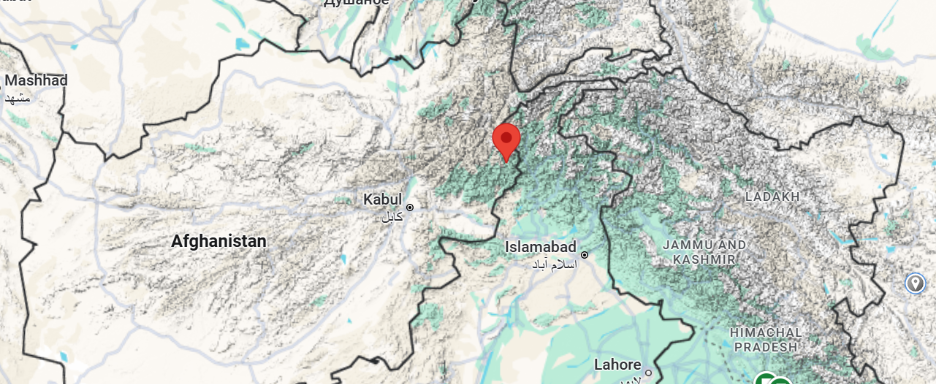
Afghanistan says 28 killed, 32 captured in Nuristan border operation

Afghanistan Claims 28 Killed, 32 Captured in Nuristan Border Operation

ALERT LEVEL: ELEVATED · Afghanistan–Pakistan border (Kamdesh, Nuristan / Chitral, Khyber Pakhtunkhwa) · Event: Sat 27 Sep 2026 · Issued 01 Oct 2026 

Elevated, not High: this is a claimed counter-infiltration operation in a remote district, not a state-on-state clash. It becomes High if Pakistan responds militarily or major crossings (Torkham, Chaman) close. 

1. What happened 

Afghanistan’s Taliban-run Ministry of Defense said on 27 Sep 2026 its forces killed 28 and captured 32 members of armed groups crossing the Durand Line into Kamdesh district, Nuristan. It accused Pakistan of training and sending the fighters, including Daesh (ISIS-K) members and former Afghan Republic soldiers. Others reportedly fled back into Pakistan. 

Claim Status Confidence 
A clash took place in Kamdesh, Nuristan Reported by Afghan MoD via Ariana News Medium 
28 killed, 32 captured Single-source government figure, unverified Low–Medium 
Pakistani military, “Arbaki” militia and Daesh present and coordinating Allegation, no evidence published Low 
Pakistani intelligence recruited former Afghan soldiers with asylum/job promises Allegation, no evidence published Low 

Source: Ariana News (Kabul), 27 Sep 2026, quoting the Afghan Ministry of Defense statement. No independent, Pakistani or UN confirmation was available to me; Pakistan’s response is not known here. 

2. Why it matters 

This is a continuation of a worsening trend, not a new crisis: it reverses the usual direction of blame between Kabul and Islamabad. 

  • Mirror-image accusations: Pakistan has for years accused Kabul of sheltering TTP (Pakistani Taliban) fighters. Kabul now accuses Pakistan of the same thing in reverse, which hardens both sides. 
  • Recent history: In October 2025, the two countries fought their worst border clashes in years. This led to a ceasefire mediated by Qatar and Turkey, and to long closures of the Torkham and Chaman crossings. The status of those crossings and the ceasefire after mid-2026 is not known here; verify before relying on it. 
  • New element: The claim that former Republic-era soldiers are being recruited through promises of asylum and jobs. If it is credible, Kabul may crack down on returnees and ex-soldiers inside Afghanistan. 
  • Location: Kamdesh borders Chitral in Khyber Pakhtunkhwa. This is a remote mountain sector away from the main trade crossings, so the direct economic effect is small unless the conflict spreads south to Torkham (Nangarhar) or Chaman (Kandahar). 

3. Who is affected 

The businesses most exposed are those that rely on the Afghanistan–Pakistan land border during the autumn export season. Company names are examples of exposure, not reported effects. 

Group Direction Named examples Why 
Afghan fresh-fruit exporters Hit if crossings close Kandahar pomegranate and grape traders; Afghanistan Chamber of Commerce and Investment members Sep–Nov is peak harvest; perishables lose value within days at a closed Torkham or Chaman 
Pakistani cement makers using Afghan coal Hit if crossings close Lucky Cement, DG Khan Cement, Maple Leaf Cement, Fauji Cement Afghan coal has been a cheaper substitute for South African coal 
Pakistani exporters to Afghanistan Hit if crossings close Rice, pharmaceuticals, cement and FMCG shippers out of Peshawar and Quetta Afghanistan is a key cash market for these goods 
Iranian ports and Central Asian corridors Benefit Chabahar (Iran), Bandar Abbas (Iran), Hairatan–Termez (Uzbekistan), Turkmen rail links Afghan trade shifts away from Karachi 
Regional infrastructure sponsors Higher risk TAPI (Turkmengaz and partners), CASA-1000 (World Bank-backed), Uzbek Railways (Trans-Afghan railway) Security premium rises on any project crossing the border 
Logistics and transporters Hit Khyber Pakhtunkhwa trucking firms, Afghan Transit Trade carriers Idle trucks and demurrage at crossings 
Humanitarian operations Disrupted WFP, UNHCR, IOM in Nuristan and Kunar Access limits; returnees from Pakistan face added screening 

Geographies and trade lanes: Nuristan, Kunar and Nangarhar on the Afghan side; Chitral, Bajaur and Khyber on the Pakistani side. Lanes at risk: Peshawar–Torkham–Jalalabad–Kabul and Quetta–Chaman–Spin Boldak–Kandahar. Supply chains at risk: Afghan coal into Pakistani cement kilns, Pakistani wheat flour and medicines into Afghanistan, and Afghan fruit and vegetables into Pakistani markets. 

4. Scenarios (next 2–8 weeks) 

The base case is a war of words with sporadic incidents. The swing factor is whether Pakistan treats this as a pretext for strikes or for closing crossings. Probabilities are analyst judgment. 

Scenario Trigger Probability Impact 
De-escalation Pakistan denies quietly; Qatar/Turkey-mediated talks or a joint border mechanism meet; crossings stay open 25% Incident fades; no trade disruption; fruit season proceeds 
Base case Duelling statements; more small clashes in Kunar/Nuristan; Pakistan steps up TTP accusations; brief or partial crossing slowdowns 55% Short Torkham/Chaman delays of days, not weeks; added screening and deportation pressure on Afghans in Pakistan; small cost rise on the Karachi transit route 
Escalation Pakistani airstrikes in Afghanistan or Afghan attacks on Pakistani posts, as in Oct 2025; extended closure of Torkham and Chaman 20% Weeks-long trade halt; Afghan fruit losses at peak season; Pakistani cement firms revert to imported coal at higher cost; traffic shifts to Iranian and Central Asian routes; TAPI/CASA-1000 timelines slip 

5. Actions to consider 

Act now only if you move goods across the Afghanistan–Pakistan land border or have staff in eastern Afghanistan or Khyber Pakhtunkhwa. Everyone else: monitor. 

Procurement 

  • Pakistani cement and power buyers of Afghan coal: price a backup cargo of imported coal (South African or Indonesian) for delivery to Karachi, and hold 30–45 days of kiln coal. 
  • Buyers of Afghan dried fruit, nuts and pomegranates: pull October–November shipments forward and confirm a second supplier through Iran or the UAE. 

Logistics 

  • Pre-clear documents at Torkham and Chaman; keep trucks off the border on days after any new clash claim. 
  • Get a quote now for the Chabahar or Bandar Abbas route and for Hairatan–Termez rail, so you can switch within a week. 
  • Use cold-chain or controlled-atmosphere storage on the Afghan side for perishables waiting to cross. 

Legal 

  • Check whether your contracts’ force-majeure clauses cover “government border closure” explicitly, not only “war” or “hostilities”; the October 2025 closures were political decisions, not acts of war. 
  • Check cargo and political-risk policies for land-transit and border-closure exclusions; standard marine war-risk cover does not apply. 
  • Sanctions screening: any payment touching Afghan state entities must clear UN 1988 list and OFAC checks. 

Finance 

  • Add a closure-delay cost line (demurrage, spoilage, rerouting) to Q4 forecasts for Af-Pak lanes. 
  • Notify customers now that transit surcharges may apply if the border closes, so they are not surprised later. 

People 

  • Review travel and movement plans for Kunar, Nuristan, Nangarhar, Chitral and Bajaur. 

6. What to watch next 

Pakistan’s official response within the next 7 days is the single most important signal: silence or a denial point to the base case, while an ISPR statement naming Afghan-based attackers points to escalation. 

Indicator Who acts Inference 
ISPR / Pakistan Foreign Office statement Pakistan military and MoFA Denial only → base case; counteraccusation plus “right to respond” → escalation risk up 
Troop and artillery moves near Chitral, Bajaur, Kurram Pakistan Army, Frontier Corps Build-up precedes cross-border strikes 
Torkham and Chaman status Pakistan Customs, Afghan border police Any closure longer than 48 hours = trade impact begins 
Mediator activity Qatar, Turkey, China (trilateral FM format) New meeting dates = de-escalation 
Deportation pace of Afghans from Pakistan Pakistan Interior Ministry, UNHCR, IOM Faster removals = Islamabad applying pressure 
Further Afghan MoD “infiltration” claims Afghan Ministry of Defense Repeated claims build a case for retaliation 
ISIS-K attacks in Kunar/Nuristan or in Pakistan ISIS-K A large attack could pull both states to blame and strikes 
Project statements TAPI partners, CASA-1000, Uzbek Railways Delay notices confirm a rising regional risk premium 
Fruit truck backlog and prices at Kandahar and Peshawar markets Traders, chambers of commerce Early, hard evidence of trade disruption 

7. Bottom line 

Kabul claims it killed 28 and captured 32 Pakistan-backed infiltrators in remote Nuristan. The claim is unverified and has no global market impact (0% on Brent, freight or insurance). The real risk, put at 20%, is a repeat of the October 2025 Torkham/Chaman closures during the peak Sep–Nov fruit and coal trade season. 

Sources 

  • Ariana News, “Afghanistan says 28 killed, 32 captured in Nuristan operation,” 27 Sep 2026